
AT-Alert: Security through clear requirements – and how we contributed to it
AT-Alert: Security through clear requirements – and how we contributed
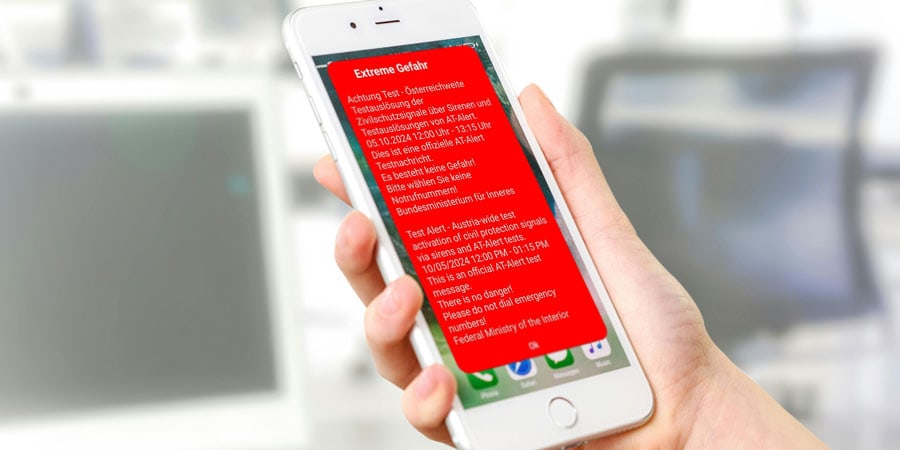
With AT-Alert, Austria has had a modern, mobile-based warning system since 2024 that automatically sends warnings to all mobile phones in an affected area in the event of a crisis – without an app, without registration. With this, the Rundfunk and Telekom Regulierungs-GmbH (RTR) is implementing a central EU requirement and strengthening the protection of the population in the event of natural disasters, power outages or other hazards.
Spirit in Projects developed the specification sheet for this national project and accompanied the tender process up to the award of the contract. Our task was to create a precise foundation from a variety of technical, organizational and legal requirements on which the system could be implemented securely.
Through a systematic requirements analysis using modern RE methods and the use of UML models, interfaces, data flows, roles and quality criteria could be clearly described. This resulted in a service catalog that was both technically robust and understandable for bidders. Our support in the tender process ensured transparent evaluations and efficient decision-making.
The result: a stable, scalable system that is operated today – including the public website and the general information on the website of the Ministry of the Interior, where all issued warnings and information can be accessed centrally.
The benefits for citizens
- Immediate, area-specific warnings directly to your mobile phone
- No app required, no registration necessary
- Warnings also for tourists and roaming devices
- Clear, action-oriented information in emergencies
- Complement to sirens, radio and online channels
The benefits of our services
- Clear, traceable requirements as a success factor for implementation
- Minimized risk in procurement and implementation
- Future-proof architecture
With AT-Alert, it becomes clear how clear requirements, methodical procedures and interdisciplinary cooperation make a project with direct societal benefits possible – and how structured consulting leads to measurable security for all.